A Shithouse Country With a $2.4 Trillion Savings Account
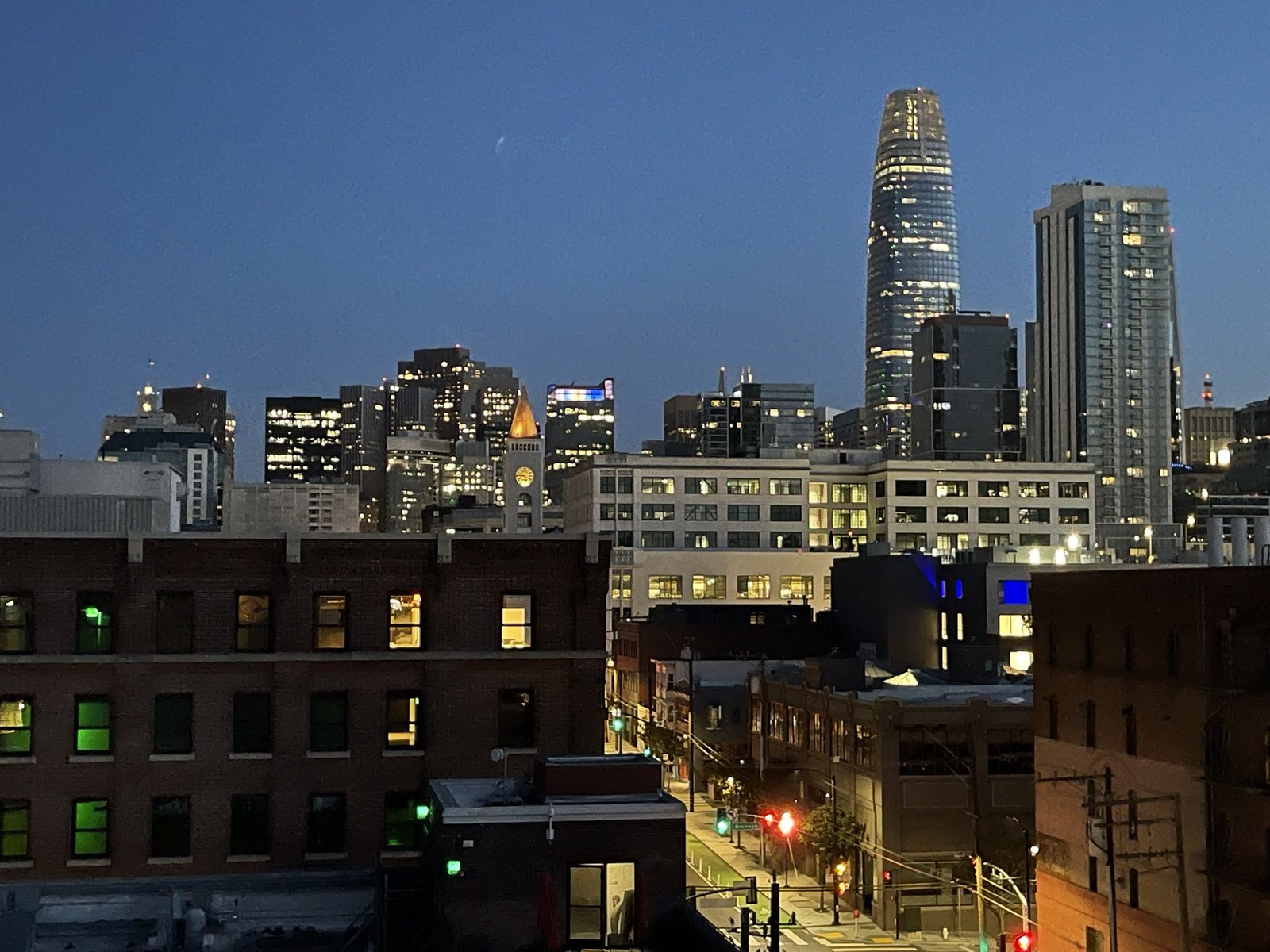
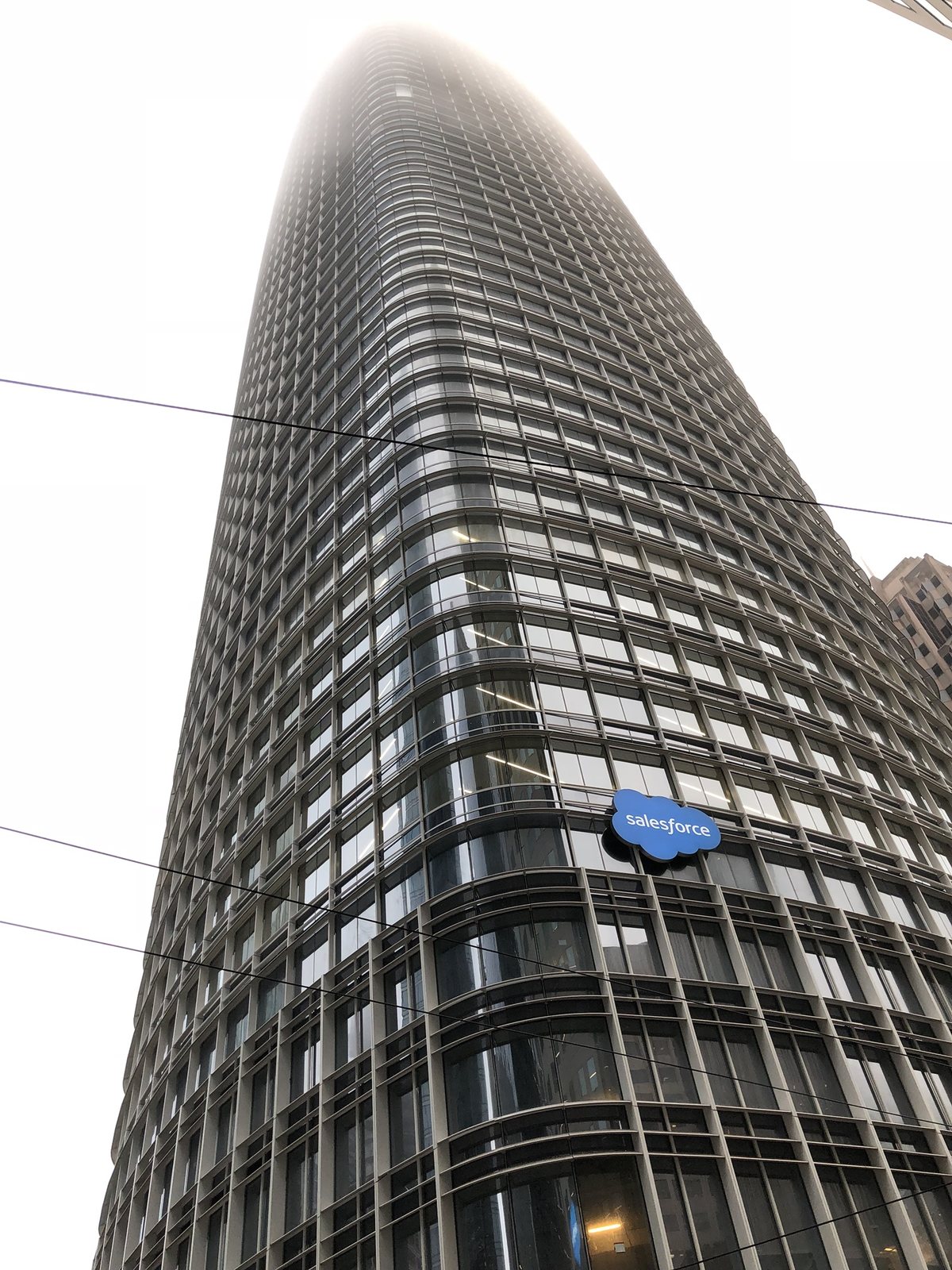
In late 2019 I stood sixty-one floors above San Francisco, proud of the company I worked for. Salesforce had built the tallest building in San Francisco and given the best part of that real estate to the community: the Ohana Floor. Not for executives. For everyone.
We had just wrapped an innovation summit for our Nordic customers. Innovation Norway was in the room. So were the airline Norwegian and Posten Norge. DNB, the country's biggest bank, was there too. Salesforce had the honor of serving them across sectors, and I had spent the afternoon talking to them about data, its sovereignty, and the coming AI wave. Yes, in 2019. Then we did what you do with guests in that building. We took everybody up to the Ohana Floor.
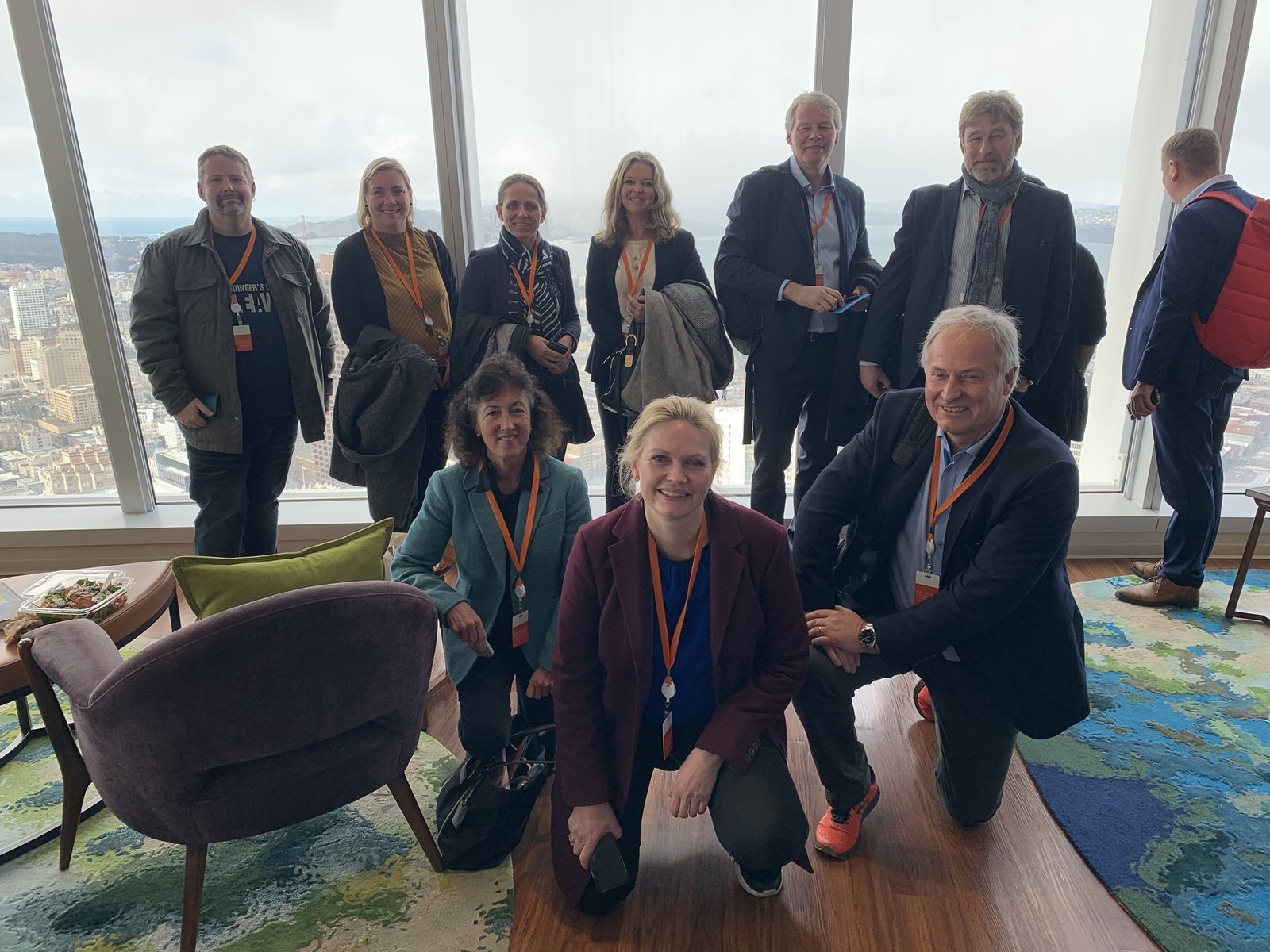
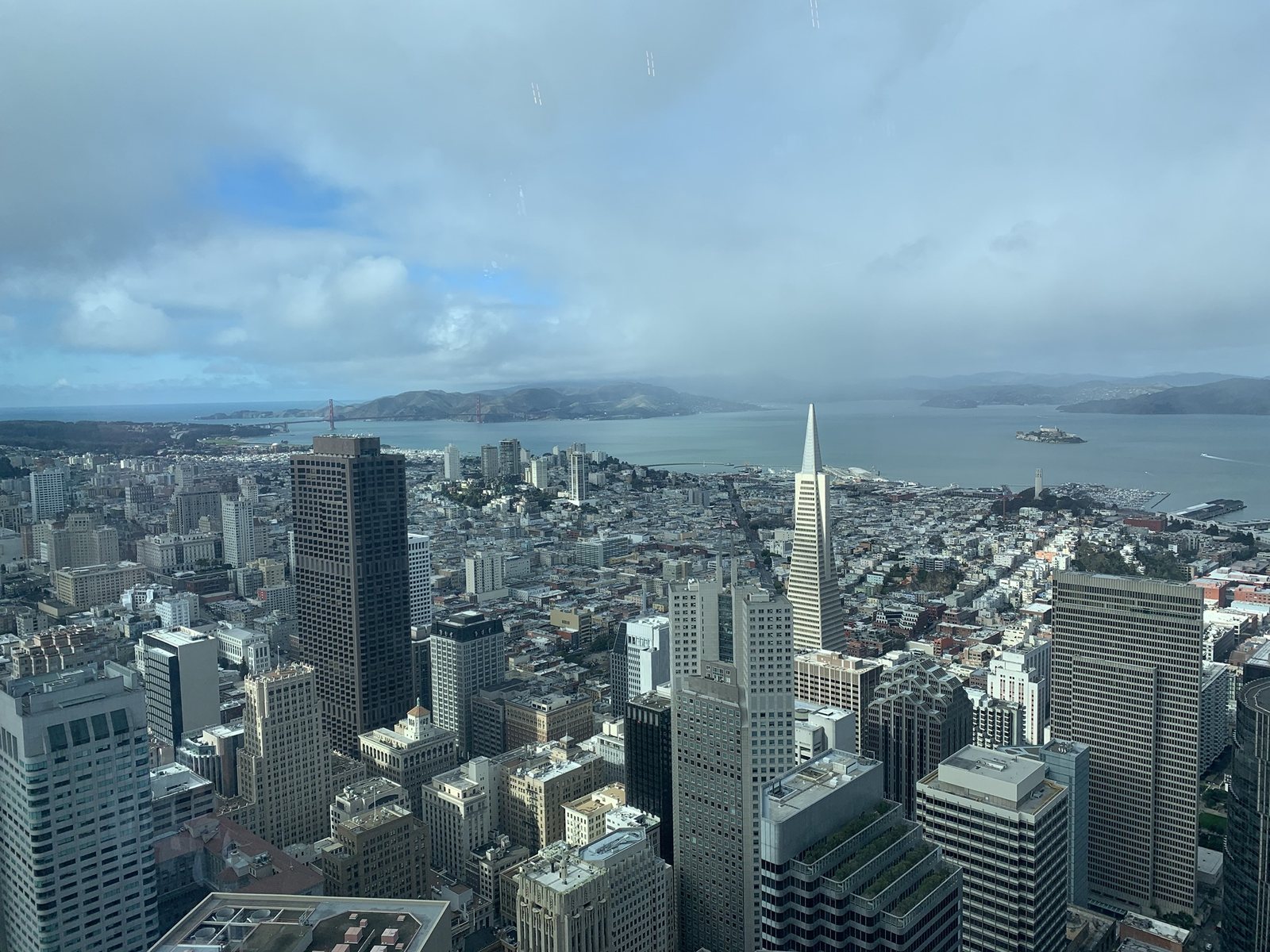
It was a beautiful day. You could see from Sausalito to Oakland, a 360-degree view of the Bay Area. The coffee bar was hopping, music was playing, and everyone was gazing out onto San Francisco.
One of the Norwegian executives looked around and said something I've never forgotten.
"We would never build something like this in Norway."
I assumed he meant the engineering. "Wind? Weather?"
"No," he said. "It's about ego. And how you display it here in America."
He looked sorry for me as he said it, like he was actually embarrassed for me. My pride about being in the tallest building west of the Mississippi quickly turned into a punch in the gut. I was befuddled, the way you are when someone surprises you with a point of view you never considered before. I told him the truth, which was the only thing I had. "I never thought of it that way," I said. "Just like how a fish and a human think of water differently."
Fish breathe water. We drink it. Same element, same planet, different species.
I never saw it that way, and when I did, I couldn't unsee it.
I've carried that afternoon around for seven years, and on October 25 the President of the United States handed it back to me. At a rally in Port Huron, Michigan, he called Norway a "shithouse country." He was still sore about the Nobel Peace Prize. The next day Norway's foreign minister, Espen Barth Eide, noted that the Nobel committee is independent and the government doesn't pick the winner, which you'd think somebody on staff would have mentioned by now.
I know Norway, so I was embarrassed. Embarrassed of what our president had said. It wasn't his first word on Norway, either. In January 2018, almost two years before I hosted those Norwegians, the same man sat in the Oval Office, waved off a list of what he called "shithole countries," and said we should be taking more immigrants from places like Norway. Norway was the example. Norway was the good one. Eight years and one prize later, the model country is a shithouse. Nothing about Norway changed in between. Only who got the medal.
So what does a country that won't build the tower build instead?
It builds a savings account. When Norway struck oil, it did the unglamorous thing and put the proceeds into a fund, and it kept putting them there. At the end of June the Government Pension Fund Global was worth 22.7 trillion kroner, about $2.4 trillion, for a country of 5.6 million people. Do the division and you get something like $425,000 for every Norwegian alive, held in common and invested around the world for the ones who come next. It is a financial inheritance for people who haven't been born yet.
We have about $40 trillion in federal debt. I know that's not an honest comparison on a spreadsheet. A fund is an asset, a debt is a debt, and this country is rich in ways a single line item can't hold. But ask Norway's question instead of the accountant's. What have we set aside, on purpose, for the kids who aren't here yet? Just an interest-bearing bill. And Norway holds a piece of it. At the end of June its fund owned about $215 billion of U.S. government debt, and in September its managers proposed cutting that by roughly $80 billion. Part of their children's inheritance is interest on ours.
That's what he saw from the sixty-first floor. Our wealth wants to be seen. Theirs is waiting for someone who doesn't exist yet. Neither one is an accident.
And here is what made my face red. I had just spent an afternoon explaining data sovereignty to them. I was explaining sovereignty to a country with a sovereign wealth fund.
They had already lived through the thing I was warning them about. A resource shows up and it's enormous, and a society has to decide whether it belongs to whoever pulls it out of the ground or to everyone, including the people who haven't been born yet. Norway made that call a long time ago. We are about to have to make it, because we're moving into a world not powered by oil but by data.
Data isn't oil. Oil sits in the rock until somebody drills for it. Data comes off of us every day, out of our phones and our classrooms and our doctor's visits, whether anyone asks or not, and right now it flows to whoever built the pipe. The models being trained on it will be the most valuable thing humanity has ever built. We should build a data sovereign system that preserves our digital and data rights before that value is spoken for. But rights are only half of what Norway did. It didn't stop at owning the oil. It kept what the oil earned. My idea includes data unions, where specific sets of data can be formed and benefit the people who formed them.
Take nurses and their data. This is what it's worth now.
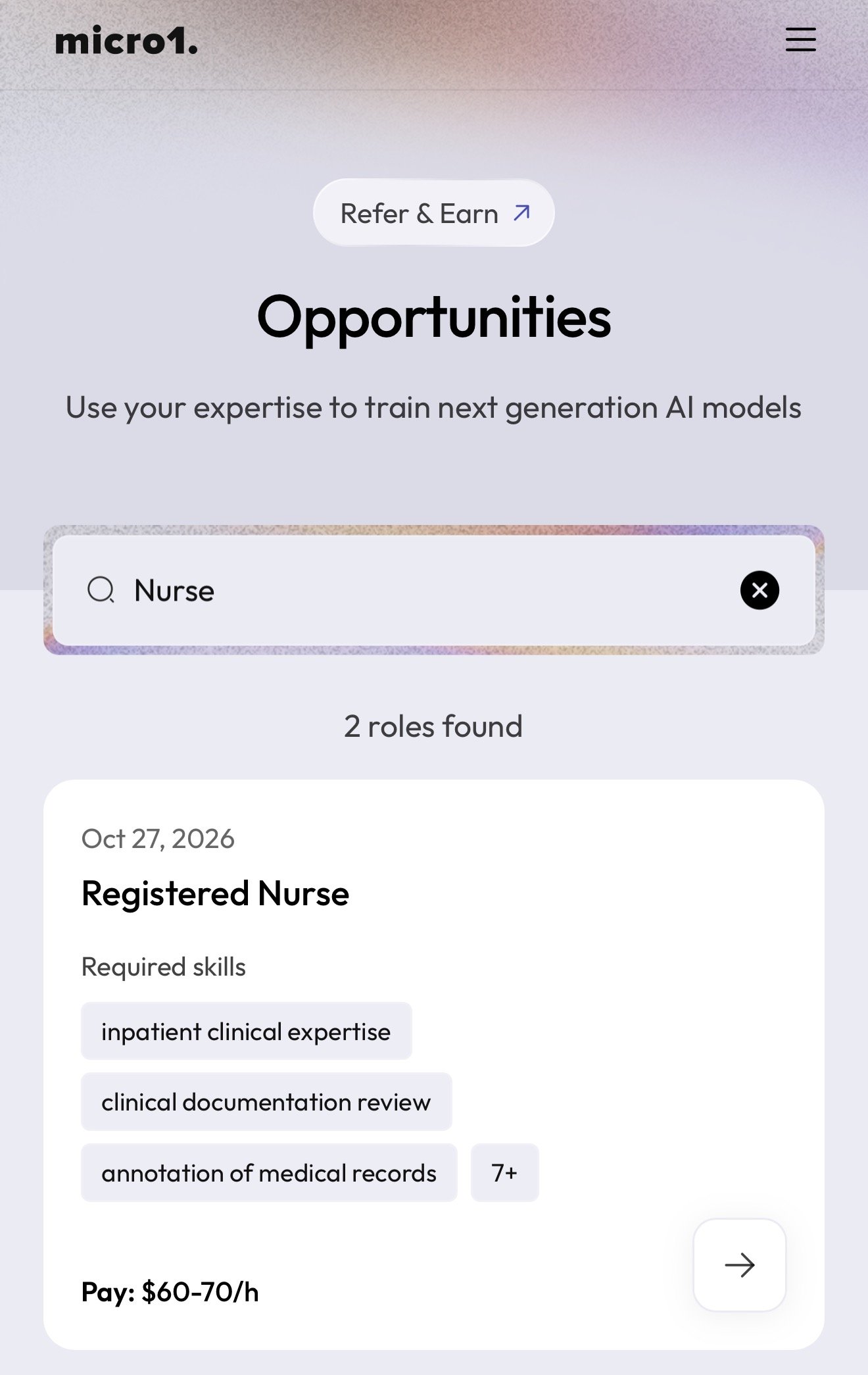
A nursing union is a union of people. Now make it a data union of nurses' data, there to help better serve the very hospitals they work for. The hospitals would pay for this resource, one that would afford them foresight and insights into the very group of people that make their operation operate. That asset, convened, should benefit its creators.
As for the shithouse. Within the week, Visit Norway answered the President with a campaign called "Norway makes shithouses great again," a tour of the public restrooms along its eighteen national tourist routes. Some of them were designed by serious architects. The one at Stegastein, by Todd Saunders and Tommie Wilhelmsen, hangs at the edge of a cliff above the Aurlandsfjord, so you can look out at the fjord while nobody can see in.
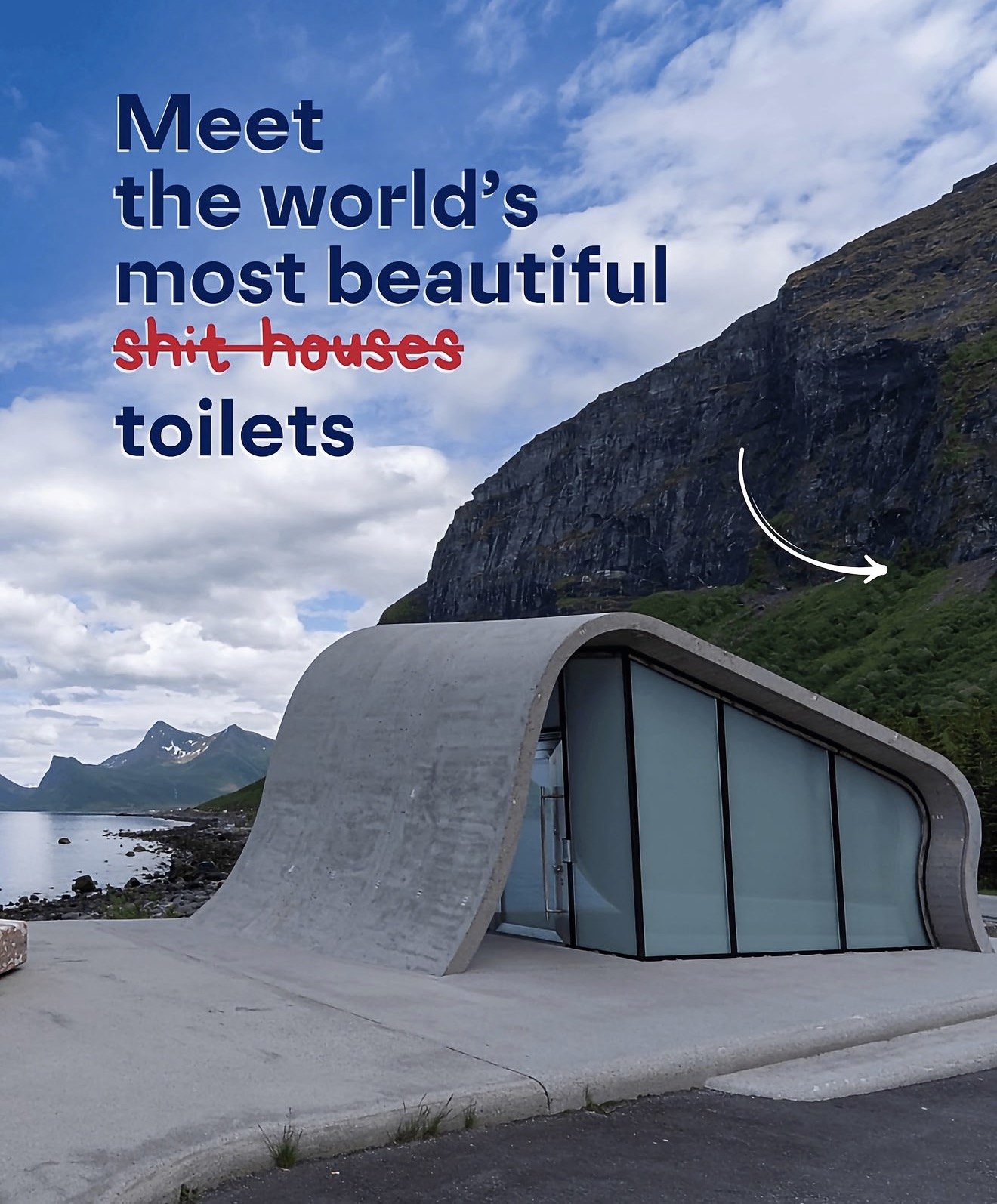
Think about that for a second. Somebody insulted the whole country, and the country answered by showing off what it built for strangers to use. No name on the front. Just a very good view, for whoever happens to need it. Norwegians have a word for that kind of thing: dugnad, the work neighbors do together for the good of everyone. In March 2020, as COVID shut the country down, Prime Minister Erna Solberg asked every person in the country to take part in a national dugnad. I learned that word during the pandemic, thanks to Duolingo. A tower is built to be looked at. A dugnad is built to be shared.
I've been to Norway four times, enough to know it's anything but a shithouse.
Although, come to think of it, they have some pretty spectacular shithouses, too.
Wondering who should own what your people’s data earns once the models learn from it? Let's talk or join the conversation in Discord.